
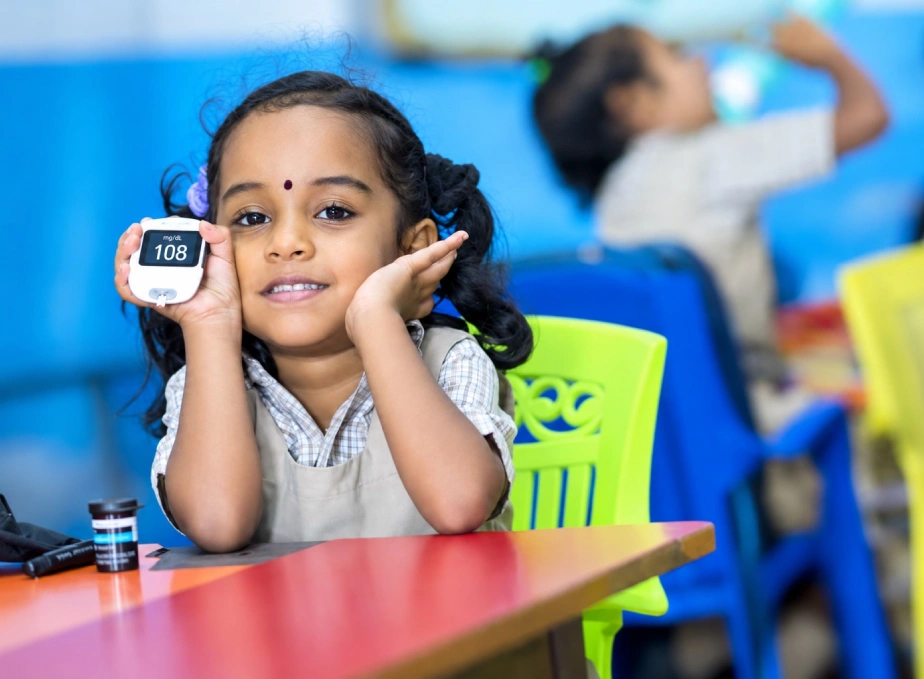
Why Insulin Access Matters for Every Child with Type 1 Diabetes
Type 1 Diabetes (T1D) is a lifelong autoimmune condition where the body’s immune system mistakenly attacks the insulin-producing cells in the pancreas. Unlike Type 2 Diabetes, it cannot be prevented, reversed, or managed through diet and exercise alone. Every child diagnosed with Type 1 Diabetes depends on insulin every single day to survive.
For thousands of children across India, accessing insulin consistently remains one of the biggest challenges. Limited awareness, financial constraints, and lack of specialized diabetes care often place their lives at risk. Ensuring uninterrupted access to insulin is not just about treatment—it is about giving every child the opportunity to live, learn, and dream.
What is Insulin?
Insulin is a hormone that helps glucose (sugar) move from the bloodstream into the body’s cells, where it is used for energy. Without insulin, blood sugar levels rise to dangerous levels, leading to severe health complications.
For children living with Type 1 Diabetes, insulin injections or insulin pump therapy are required every day, multiple times a day, for life.
Why Insulin is Essential
Insulin is not an optional medication—it is life-saving.
Without regular insulin:
- Blood sugar rises rapidly.
- The body begins breaking down fat instead of glucose.
- Harmful acids called ketones build up in the blood.
- This can lead to Diabetic Ketoacidosis (DKA), a life-threatening medical emergency.
- Without immediate treatment, DKA can result in coma or death.
Skipping insulin for even a short period can have serious consequences.
The Challenges Families Face
Many families struggle to provide continuous diabetes care due to financial and logistical barriers.
High Cost of Diabetes Care
Managing Type 1 Diabetes involves much more than insulin.
Families also need:
- Blood glucose testing strips
- Continuous Glucose Monitoring (CGM) devices
- Syringes or insulin pens
- Needles
- HbA1c laboratory tests
- Regular consultations with endocrinologists
- Emergency medical care
The combined monthly cost can be overwhelming for low-income families.
Limited Awareness
Many people still misunderstand Type 1 Diabetes.
Common misconceptions include:
- “The child ate too much sugar.”
- “It can be cured.”
- “Insulin can be stopped after some time.”
These myths delay diagnosis and treatment, increasing health risks.
Access in Rural Areas
Children living in rural communities often face additional challenges:
- Fewer diabetes specialists
- Limited insulin availability
- Long travel distances to hospitals
- Delayed emergency treatment
Regular follow-up care becomes difficult for many families.
The Impact of Missing Insulin
When insulin is unavailable, children may experience:
- Extreme thirst
- Frequent urination
- Sudden weight loss
- Fatigue
- Vomiting
- Severe dehydration
- Diabetic Ketoacidosis (DKA)
Repeated interruptions in treatment can also increase the risk of long-term complications affecting the eyes, kidneys, nerves, and heart.
Beyond Insulin: Complete Diabetes Care
Insulin alone is not enough.
Children also need:
- Regular blood sugar monitoring
- Healthy nutrition guidance
- Emotional and psychological support
- Diabetes education for parents
- School awareness and teacher training
- Emergency preparedness
A comprehensive care system helps children live healthy, active, and confident lives.
How Your Support Changes Lives
Every contribution helps provide essential diabetes care to children who need it most.
Your support can help fund:
- Life-saving insulin
- Blood glucose monitoring supplies
- Diabetes education programs
- Medical consultations
- Emergency assistance
- Nutrition counseling
- Awareness campaigns
- Family support initiatives
Together, we can ensure that no child has to miss a dose of insulin because of financial hardship.
Every Child Deserves a Healthy Future
A diagnosis of Type 1 Diabetes should never limit a child’s dreams.
With timely insulin, proper medical care, education, and community support, children with Type 1 Diabetes can attend school, play sports, pursue careers, and live full, healthy lives.
Access to insulin is more than access to medicine—it is access to life, hope, and opportunity.
